

Life Sounds Great
Personalized and compassionate hearing care, modern technology, and ongoing support to help you stay connected to the people, places, and sounds you love


SCHEDULE AN APPOINTMENT
───── About the Practice
Advanced Audiology Concepts
Advanced Audiology Concepts brings the best concepts of hearing care to you. Known for our prompt and courteous approach to forging long-lasting relationships with patients, there is transparency in all of our actions.
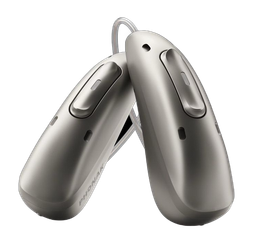
When it comes to improving your quality of life—we are both passionate and compassionate! Hearing aids have come a long way and so have we. Today’s devices are small, barely detectable, comfortable and easy to maintain.
25+
Years of Expertise
10K+
Patients Cared For
100%
Personalized Plans
───── What We Do ─────
Our Services
───── Process ─────
Our Process — What to Expect
Book Your Appointment
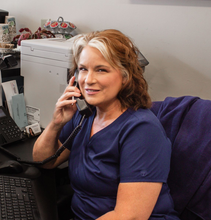
Our professional, reassuring and people-oriented staff is extremely knowledgeable and can answer initial questions about the process while making your first appointment.
Hearing Evaluation
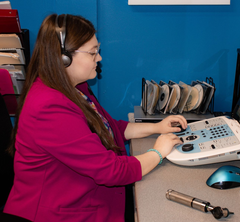
The hearing evaluation takes place in our state-of-the-art hearing booth. Be sure to bring your ID and insurance card to your visit.
Choose Your Hearing Aids
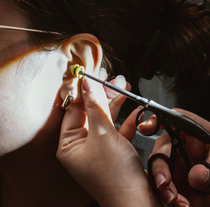
If hearing loss is detected, we find out more about your lifestyle to help determine which hearing aids would be the best fit. We also talk about your budget and figure the decision out together.
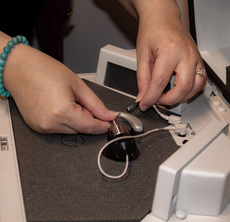
Fitting & Setup
After selecting your devices, we schedule a fitting appointment to show you how to use, pair, clean, and maintain them for the best performance.

Ongoing Support
Every several months, you will come in for a maintenance appointment, where any fine-tuning and adjustments are made.
───── Process ─────
Our Process — What to Expect
Hearing Evaluation
The hearing evaluation takes place in our state-of-the-art hearing booth. Be sure to bring your ID and insurance card to your visit.
Choose Your Hearing Aids
If hearing loss is detected, we find out more about your lifestyle to help determine which hearing aids would be the best fit. We also talk about your budget and figure the decision out together.
Fitting & Setup
After you’ve made your selection, we schedule a fitting appointment to educate you how to put them in, pair the devices to your Bluetooth, and clean and maintain them for top performance going forward. We take the time to walk you through everything and what you can expect going forward.
Ongoing Support
Every several months, you will come in for a maintenance appointment, where any fine-tuning and adjustments are made.
───── CARE
Affordable Hearing Care
We believe quality hearing care should be affordable for everyone. That’s why we offer flexible pricing packages. We also offer CareCredit and other flexible financing options to help make hearing care more affordable and accessible. From your first visit on, we’re committed to building a long-term partnership focused on your hearing health and ongoing care.
───── FAQ
Answered with care
Do only older adults have hearing loss?
While hearing loss is more common in older adults, it can affect people at any age. Changes in hearing may occur due to repeated exposure to loud noise, genetics, age-related changes, injury, medications, or other health conditions. Anyone who notices hearing difficulties should have their hearing evaluated, regardless of age.
What do I need to know about hearing aids?
Today’s hearing aids are small, sleek, and designed to fit onto your everyday life. Many devices can connect to smartphones, televisions, and other assistive listening devices to make it easier to hear in a variety of settings. Hearing aids can be personalized to your hearing needs and listening preferences, so you feel more confident and connected throughout the day.
Are hearing aids a cure for hearing loss?
Hearing aids do not cure hearing loss, but they can significantly improve access to sound and support communication based on your individual hearing needs. While they do not restore normal hearing, they can help you better engage in conversations, stay connected, and improve your overall listening experience in many different environments.
Is ringing in my ears normal?
Ringing, buzzing, or other sounds in the ear, known as tinnitus, can happen for many reasons. Tinnitus may be related to hearing loss, noise exposure, earwax buildup, medications, or other health conditions. If you notice ringing or other sounds in one or both ears, especially if it is new, worsening, or affecting your daily life, a hearing evaluation can help you determine the next steps.
What happens if hearing loss is left untreated?
Untreated hearing loss can make everyday communication more difficult, especially in the presence of background noise. Hearing loss has been linked to increased listening effort, frustration, social withdrawal, and reduced participation in routine activities. Over time, untreated hearing loss can also affect relationships, work, safety, and overall quality of life. A growing body of research also suggests an association between hearing loss and cognitive decline.
───── Frequently Asked ─────
Do only older adults have hearing loss?
Hearing loss isn’t confined to older individuals; it affects people of all ages. Only about one-third of hearing loss patients are older than 65.
What is the most common cause of hearing loss?
The most common cause of hearing loss is noise exposure. While 85 decibels (dB) is considered the safety threshold, exposure to even moderately loud noises can cause permanent hearing damage.
What do I need to know about hearing aids?
The stigma associated with wearing hearing aids has long disappeared. Today’s digital devices are small, sleek, comfortable and discreet. If you are concerned with other peoples’ perceptions, you can opt for styles that are worn in the ear canal including invisible extended wear devices, making them virtually invisible.
Are hearing aids a cure for hearing loss?
Hearing aids are not a cure for hearing loss, but they do help many hearing-impaired individuals communicate more effectively. They work by amplifying sound vibrations that enter the ear. It is estimated that 95 percent of those suffering from hearing loss benefit from hearing aids – although only one out of five people with hearing loss seek treatment.
Do I have to wear two hearing aids?
Two hearing aids are better than one. Wearing two hearing aids makes sense, given the fact that we have two ears. This gives us directional hearing, enabling us to localize the source of a sound; as a result, we can hear better in noisy environments. Most types of hearing loss affect both ears anyway. Ninety percent of hearing loss patients benefit from wearing two hearing aids.
───── Loved By Our Patients ─────